

What is Generative Art?
Generative art is art that has been made with help from or entirely by an autonomous system, such as a computer program or neural network. Since the 1960s, generative artists have been creating their own algorithms through code and harnessing the power of AI art generators to experiment, push boundaries, and change attitudes towards what it is that we consider ‘art’.
Thanks to these technological advancements, you too can harness the benefits of generative art in corporate communications! Picture this: artists using generative artwork tools to charge their creative process, designers working with generative design software to enhance their projects, and marketers harnessing generative art tools to create relevant, inspired content.
In this guide, we’ll discuss how you can transform your business through the use of generative art tools, but for those who prefer a more tailored approach, we also, as part of our AI creative services, provide free AI consultation, so why not connect with our experts directly?
The Evolution of Procedural Art
The history of AI-generated art can be traced all the way back to the 1960s, when philosopher Max Bense coined the term “generative art” to describe what computer algorithms could autonomously produce – just abstract patterns at the time and certainly no coherent but complex backgrounds for AI art. A decade later, artists started experimenting with intricate fractal art, and another decade saw generative art’s capabilities expand to computer-generated 3D models, too.
Then, in 2014, algorithmic art took a major shift. Trained on vast image data sets instead of computer programs infused with randomness, artificial intelligence expanded the possibilities of what a machine could autonomously create. Today, AI-powered creativity has reached a previously unfathomable level of impressive new heights, and it’ll only get better.
The Best Generative Art Tools by Category
Here’s our picks for the best AI tools for marketing creatives by category:
AI-Based Image Generators
Between Midjourney and DALL-E, the right tool for you will depend on your aims. Whatever the case, make generative art tools work for you by slowly integrating them into your workflow, starting out with areas that need the most support.
The AI-generated images produced by Midjourney are highly realistic, and we’ve personally chosen this as our go-to AI image tool. At Synima, we’ve incorporated Midjourney into our workflow by elevating our filmed footage with assets generated by it, whether that be special effects, altered or expanded shots.
While Midjourney works for us, prompt writing with the tool can be rigid, so we still recommend DALL-E for those who prefer a conversational prompt writing approach, thanks to their built in Chat-GPT support. While DALL-E provides less realism, it works great for expressive, artistic styles.
Creative Coding Frameworks
AI coding frameworks give you more control over an autonomous system’s output, with you as algorithmic tool designer! This level of intention has allowed artists to push the boundaries in the realm of design, and if you want to get started with creative coding, the right pick for you will depend on your experience and needs.
Processing, a free framework aimed at creatives inexperienced at coding, is the right choice if you like the idea of 24/7 available support from a large community that makes creative coding simple. p5.js, on the other hand, is another excellent choice that’s both accessible online and offers real-time collaboration, great for teams hoping to work together remotely. But if coding is not your thing, we’d recommend Touch Designer. Thanks to their node-based system, visual learners can rely on it to make things more intuitive.
3D Generative Art Design Software
3D generative tools are revolutionizing motion graphics, VFX, and modelling. 3D artists looking to streamline their workflow should, in our opinion, look no further than these two brilliant options below:
Completely open source and free to use, Blender is a 3D modelling software that allows you to experiment with generative textures, models and materials right alongside the rest of your 3D modelling workflow. Blender’s large, beginner-friendly community makes this an approachable, accessible option. Don’t be fooled, however, Blender is an extremely comprehensive piece of software which we’ve utilized for many of our animation projects for clients.
Houdini is another fantastic option that we recommend for larger teams – as the industry standard for big studios, Houdini was built from the ground up as a procedural system, which gives it that specialized, comprehensive edge (at the expensive of a steeper learning curve, and a paid plan for the advanced features.)
How Algorithmic Art is Used in Different Industries
Here’s how industries are using generative content:
Marketing & Branding
Using AI to create brand-consistent visuals is still a challenge, so instead of using the results directly for final deliverables, we suggest that brands prioritize brand consistency and instead use these tools to make pre-production materials, plan out ideas, and drive market research.
For us, AI-driven campaigns have been used to create polished-looking mock-ups fast. When partnering with Shan Foods, we quickly transcribed our vision into an almost production-ready image, ensuring our client could be assured that their final product would be aligned with their goals, kickstarting the production process sooner.
Advertising & Media Platforms: Then VS Now
While AI now makes it easy to identify different audiences and their interests, it will soon allow for real-time personalization.
That means we could soon see AI in video ads and social media campaigns, where the story is developed in real time in response to the interests of the user. Compared to before, when personalization was decided prior to video creation and limited to a few generic target audiences, we will soon witness online content acting as a container for totally unique, dynamic and individual user experiences.
Digital Artists
AI in creative industries has transformed the art world, ushering in a new era of generative artists who push the boundaries of what digital work can look like.
In our view, creating art in collaboration with AI means experimenting with different styles, compositions, and drafting ideas. When used as a creative aid rather than a replacement, generative art tools can ignite inspiration and allow artists to see their work in a new light, as if for the very first time.
Case Studies: How Brands Are Using Generative Algorithms
The following AI in advertising case studies have inspired us here at Synima, and we hope that they inspire you, too:
Nike: AI-Powered Visual Storytelling
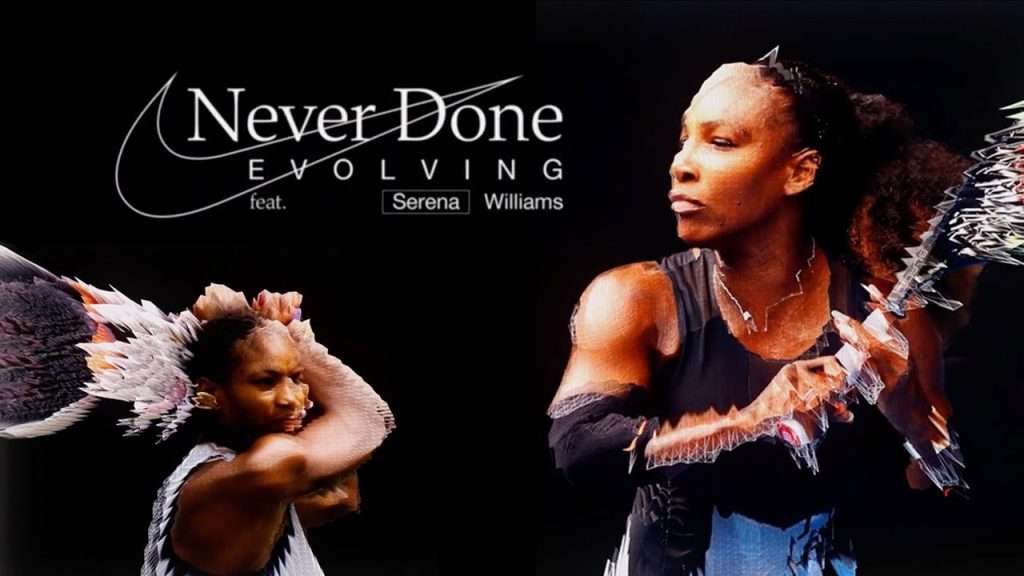
Nike’s 2022 advertising campaign titled “Never Done Evolving” involved an AI-generated match between Serena William at her first Grand Slam win and her most recent, highlighting the company’s forward-focused approach – just as AI is constantly evolving, they too will always be on top of the latest tech.
AI-driven content marketing is another focal point for Nike, who use the more accurate insights provided by AI to create alternate versions of their campaigns.
BMW: AI-Created Marketing Campaigns
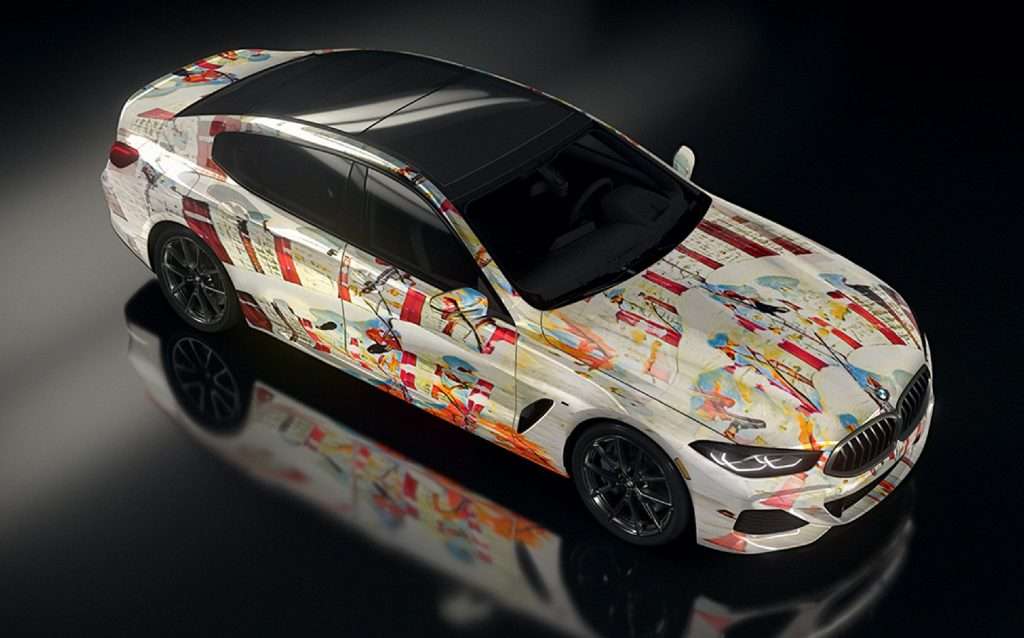
Transforming their cutting-edge car models into canvases, BMW decided to project internally-trained AI art onto their new series of cars. Similar to Nike, we can see that brands leveraging AI for creative campaigns do so to promote their commitment to innovation.
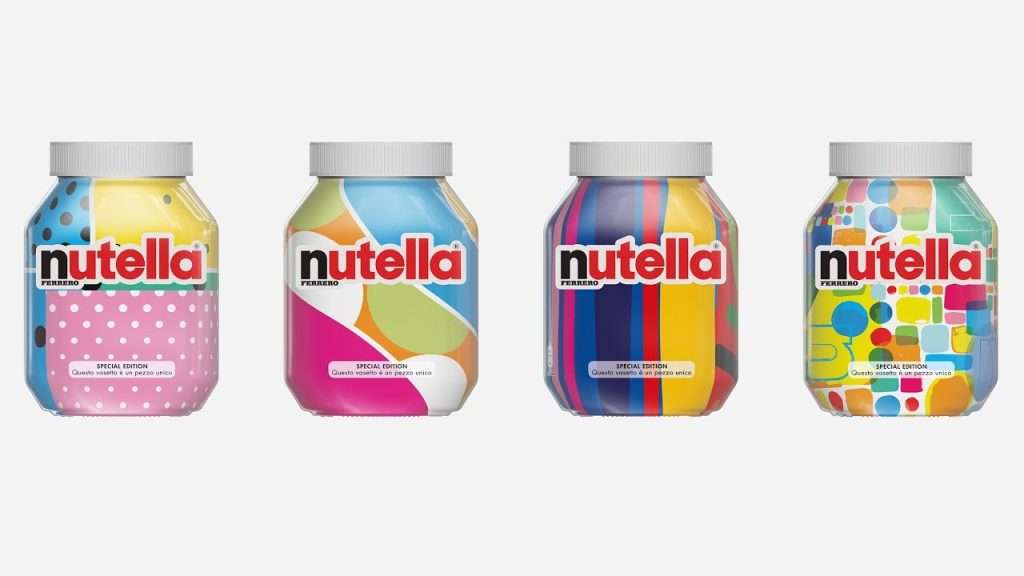
Nutella: Generative Art Made Physical
This 2017 promotion took generative AI out from the digital art world and into the physical. Their campaign? 7 million unique jars, each with their own AI-designed label. Their custom-built algorithm, “Nutella Unica”, fused generative art with personalization to create a one-of-a-kind experience.
Challenges & Ethical Considerations of Generative Art
Generative art has its limits. The challenges and ethics of using AI in creative processes should be carefully considered before you into dive in, so let’s discuss them here:
Firstly, the art community has taken a firm stance against their work being used to train algorithms without their consent. With concerns like deepfakes, misinformation, and the uncertainty over who owns AI-generated art, you absolutely need to be upfront about when and how you use AI in order to maintain credibility. Making art without examining bias will inevitably perpetuate stereotypes, too. Ethical AI use then involves being mindful as to where the algorithm’s data is pulled from, and putting responsible AI content measures in place to ensure bias isn’t reinforced.
Future Trends for Generative Artists
The evolving role of AI in design and marketing is something we are keen to keep on top of here at Synima. Creative AI use will always inspire us, and the future of AI in creativity certainly looks promising!
We briefly mentioned one AI trend in marketing that our team are excited to take on when available, and that’s real time personalized content – individual, tailored experiences that’ll connect audiences with information uniquely relevant to them. But another AI advancement that fascinates us is the potential for software like Sora to stitch together keyframes and speed up the video production process. While we wouldn’t recommend using this to generate final deliverables due to copyright issues and lack of direction, it will undoubtably help with tightening the storyboard process and preventing pacing and continuity issues.
Conclusion: How to Implement Art Generator Tools in your Comms
We hope this generative art guide has given you a clear insight on which generative art tools are right for you, along with some ideas as to how you can incorporate the tech, and an understanding of how it will continue to evolve. However, if you still feel overwhelmed with how to start using AI in generative design, then feel free to take up our offer of AI consultancy, it’ll cost you nothing to benefit from our expert’s tailored advice!
If there’s one takeaway: the process of making generative art tools work for you is a gradual one. Creative professionals, startups and big studios alike can leverage an AI-powered workflow to spur innovation, personalization and productivity, but should do so at a measured pace.
If you’re interested in learning more about the top generative AI tools available, or are looking to partner with a company who already make them part of our workflow, then feel free to contact us at [email protected].